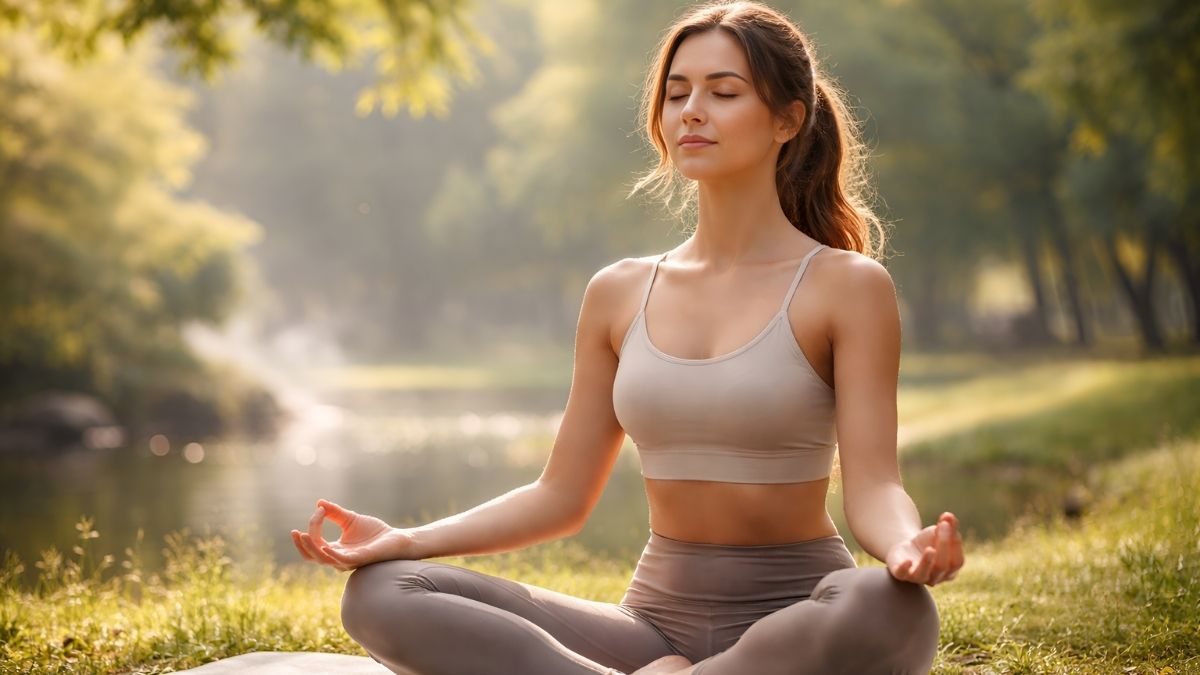
Yoga for Mindfulness: Stress is an unavoidable part of daily living. Work demands, family responsibilities, financial pressures, and global uncertainties all contribute to rising stress levels. While some stress can motivate and energize, chronic stress can harm both body and mind. It affects sleep, digestion, immunity, and emotional well-being. Developing a healthier relationship with stress is essential, and yoga offers practical tools to achieve this balance.
Why Yoga Supports Mindfulness
Yoga is more than physical exercise. It is a holistic practice that integrates movement, breath, and awareness. By focusing attention on the present moment, yoga cultivates mindfulness. This mindful state helps individuals observe stress without being overwhelmed by it. Instead of reacting impulsively, practitioners learn to respond with clarity and calm. Over time, yoga builds resilience, making stress less disruptive.

Gentle Poses To Calm The Mind
Certain yoga poses are particularly effective for reducing stress and promoting mindfulness. Child’s Pose encourages deep relaxation and a sense of safety. Standing Forward Fold releases tension in the spine and quiets the nervous system. Cat-Cow Pose mobilizes the spine and synchronizes breath with movement. Corpse Pose, or Savasana, provides complete rest and integration. Practicing these poses regularly helps create space for mindfulness and calm.
The Role Of Breathwork
Breathing techniques, known as pranayama, are central to yoga’s stress-relieving power. Deep diaphragmatic breathing reduces stress hormones and calms the nervous system. Alternate nostril breathing balances energy and enhances focus. Ocean Breath, or Ujjayi, creates a soothing rhythm that supports relaxation. By practicing mindful breathing, individuals can lower stress levels and cultivate awareness of the present moment.

Meditation And Mindfulness Practices
Meditation is another cornerstone of yoga that supports a healthier relationship with stress. Mindfulness practices encourage awareness of thoughts, emotions, and bodily sensations without judgment. Guided meditations, body scans, and mantra repetition can all help calm the mind. Research shows that regular meditation lowers markers of stress and improves emotional regulation. By cultivating inner peace, practitioners create conditions for lasting well-being.
Yoga Nidra For Deep Relaxation
Yoga Nidra, or yogic sleep, is a guided relaxation practice that takes the body into a state between wakefulness and sleep. In this state, the nervous system deeply relaxes, and the body can repair itself. Yoga Nidra has been shown to reduce stress, improve sleep, and enhance mindfulness. Practicing regularly can provide profound healing benefits, especially for those struggling with chronic stress.

Restorative Yoga And Healing
Restorative yoga emphasizes stillness and deep relaxation. Using props such as bolsters, blankets, and blocks, practitioners hold poses for extended periods, allowing the body to release tension. This style of yoga activates the parasympathetic nervous system, which counteracts stress and promotes healing. Restorative practices are especially valuable for individuals dealing with burnout or chronic stress, as they provide a safe and nurturing environment for recovery.
Integrating Yoga Into Daily Life
Yoga’s benefits extend beyond the mat. Integrating mindful movement, breath, and meditation into daily routines creates a foundation for lasting health. Simple practices such as pausing for deep breaths during stressful moments, stretching gently throughout the day, or taking time for quiet reflection can all reduce stress. Combined with healthy nutrition, adequate sleep, and regular physical activity, yoga becomes part of a holistic lifestyle that supports resilience.

Tips For Beginners
Starting a yoga practice does not require advanced skills or expensive equipment. Beginners can begin with simple poses and short sessions. Consistency is more important than intensity. Practicing for even ten minutes a day can yield benefits. Using online resources, attending local classes, or following guided videos can provide structure and support. Listening to the body and avoiding strain is essential, especially for those managing stress.
Avoiding Pitfalls
While yoga is generally safe, it is important to approach it mindfully. Overstretching or forcing poses can cause injury. Individuals with chronic conditions should consult healthcare providers before beginning a new practice. Choosing gentle styles such as restorative or yin yoga is often best for stress relief. Patience and self-compassion are key, as building mindfulness takes time.

The Science Behind Yoga And Stress
Research continues to highlight yoga’s impact on stress management. Studies show that regular practice lowers cortisol, the stress hormone that contributes to anxiety and fatigue. Yoga also improves heart rate variability, a marker of resilience to stress. Enhanced circulation, better sleep, and improved emotional regulation all play roles in reducing chronic stress. These findings confirm what practitioners have long experienced: yoga supports both body and mind in profound ways.
The Joy Of Practice
Beyond its physical benefits, yoga brings joy and connection. Practicing regularly fosters a sense of peace, resilience, and gratitude. Many people find that yoga not only reduces stress but also enhances overall quality of life. The journey of yoga is one of self-discovery, offering tools to navigate challenges with grace and strength.
Conclusion
Yoga offers powerful techniques for building a healthier relationship with stress. Through gentle poses, restorative practices, breathwork, meditation, and lifestyle integration, individuals can reduce stress and support the body’s natural healing processes. Whether practiced for a few minutes each day or as part of a deeper routine, yoga provides accessible and effective tools for mindfulness. In a world where stress is increasingly common, yoga stands as a timeless practice that nurtures both body and spirit.