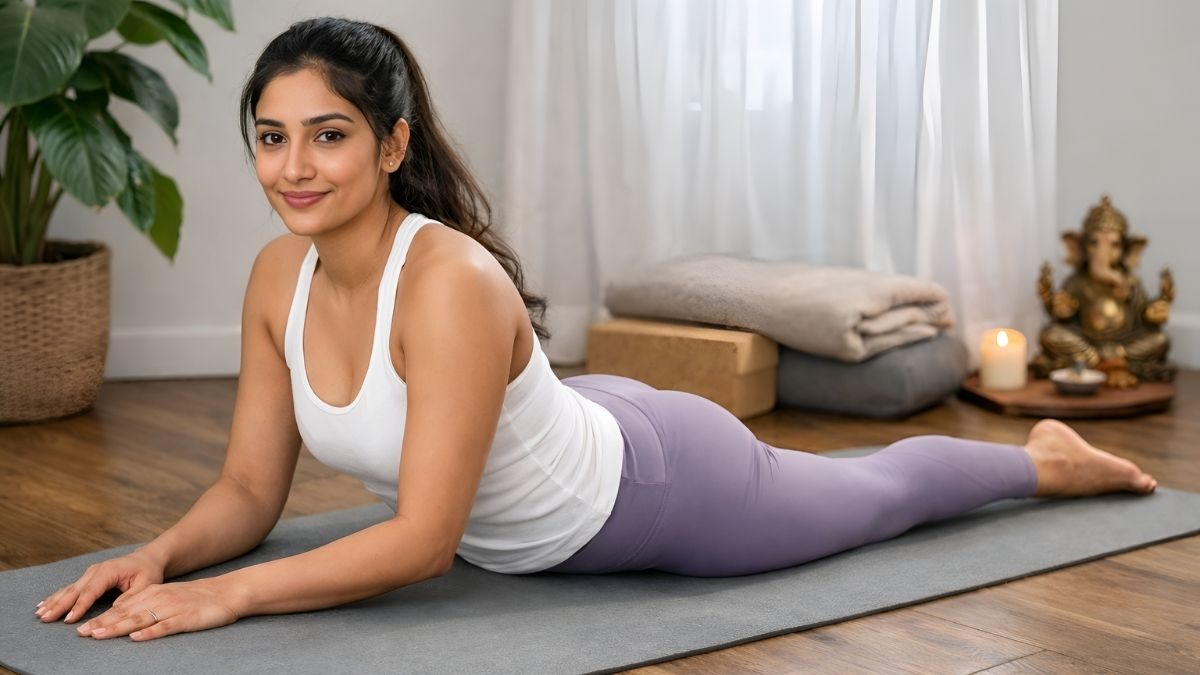
Yoga for Hips: The hips are one of the most important joints in the body, supporting movement, balance, and posture. When they become stiff, everyday activities such as walking, sitting, or bending can feel uncomfortable. Yoga offers a gentle yet powerful way to release tension, improve mobility, and strengthen the muscles around the hips. For beginners and experienced practitioners alike, hip-focused yoga can transform flexibility and reduce discomfort caused by long hours of sitting or repetitive movements.
Preparing for Hip Yoga Practice
Before beginning, it is important to prepare properly. Choose a quiet space with enough room to stretch comfortably. A yoga mat provides cushioning and stability. Wear clothing that allows free movement. Begin with a few minutes of light warm-up, such as gentle stretches or breathing exercises, to increase blood flow and prepare the muscles. Focusing on controlled breathing throughout the session enhances relaxation and supports deeper stretches.

Pose 1: Butterfly Pose
The butterfly pose is excellent for opening the hips and stretching the inner thighs. Sit on the floor with your feet together and knees bent outward. Hold your feet with your hands and gently press your knees toward the floor. Keep your back straight and breathe deeply. Hold for 30 seconds, then release. Repeat two to three times. This pose reduces tension in the groin area and improves hip mobility.
Pose 2: Pigeon Pose
Pigeon pose is a deeper stretch that targets the hip rotators and glutes. Begin in a plank position, then bring one leg forward and place it bent in front of you, with the shin angled slightly outward. Extend the opposite leg straight behind you. Lower your hips gently toward the floor and lean forward for a deeper stretch. Hold for 20 to 30 seconds, then switch sides. Repeat two times on each leg. This pose increases flexibility and relieves stiffness in the hips.

Pose 3: Low Lunge
The low lunge stretch targets the hip flexors, which often become tight from prolonged sitting. Step one foot forward into a lunge position, keeping the back leg extended and the knee slightly bent. Lower your hips gently toward the floor while keeping your chest upright. Hold the position for 20 to 30 seconds, then switch sides. Repeat two to three times on each leg. This stretch improves flexibility in the hip flexors and strengthens the supporting muscles.
Pose 4: Garland Pose
Garland pose, also known as a deep squat, is excellent for opening the hips and strengthening the legs. Stand with feet slightly wider than shoulder-width apart, then bend your knees and lower your hips into a squat. Keep your heels on the floor and bring your palms together in front of your chest. Use your elbows to gently press your knees outward. Hold for 20 to 30 seconds, then release. This pose enhances hip mobility and builds strength in the lower body.

Pose 5: Happy Baby Pose
Happy baby pose is a relaxing stretch that opens the hips and relieves tension in the lower back. Lie on your back and bring your knees toward your chest. Hold the outer edges of your feet with your hands and gently press your knees toward the floor. Rock side to side for added relaxation. Hold for 30 seconds, then release. This pose improves flexibility and provides a calming effect.
Combining the Poses into a Routine
A complete hip yoga routine can be performed in 15 to 20 minutes. Start with butterfly pose to warm up, move into pigeon pose and low lunge for deeper stretches, then practice garland pose to build strength. Finish with happy baby pose for relaxation. Practicing this sequence daily helps maintain mobility, prevents stiffness, and supports overall functional movement.

Common Mistakes to Avoid
Beginners often make mistakes such as forcing stretches, neglecting proper alignment, or holding their breath. It is important to move mindfully and avoid pushing beyond comfort. Using props like yoga blocks or cushions can help achieve proper alignment and prevent strain. Consistency is more important than intensity, so focus on regular practice rather than perfection.
The Benefits Beyond Flexibility
Improved hip mobility offers benefits beyond flexibility. It enhances athletic performance, reduces the risk of injury, and supports better posture. Strong and flexible hips also contribute to smoother movement in daily activities such as climbing stairs, bending, or lifting. The mental benefits of yoga include reduced stress and increased focus, as mindful movement encourages relaxation and balance.

Conclusion: Easing Stiffness and Improving Mobility
Yoga for hips is a powerful way to ease stiffness, improve mobility, and build strength. By practicing poses such as butterfly, pigeon, low lunge, garland, and happy baby, beginners and experienced practitioners alike can enjoy lasting benefits. In 2026, with lifestyles that often involve long hours of sitting, maintaining hip mobility is more important than ever. With patience, consistency, and mindful practice, these five poses can transform the way your body moves and feels every day.