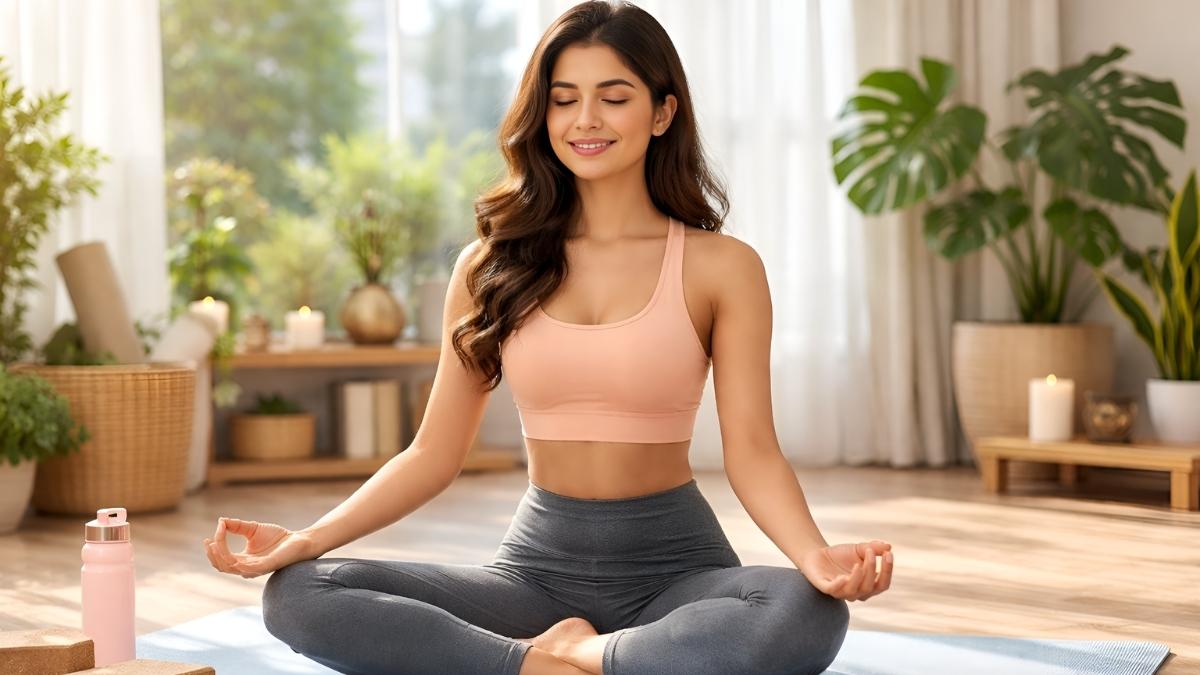
Yoga for Beginners 2026: Yoga has become one of the most popular practices worldwide for improving both physical and mental well-being. For beginners, yoga offers a gentle yet powerful way to build strength, increase flexibility, and develop mindfulness. In 2026, with more people seeking holistic approaches to health, yoga continues to be a cornerstone of fitness routines. Starting with foundational poses allows new practitioners to ease into the practice while gaining confidence and stability.
Benefits of Yoga for Beginners
Yoga provides numerous benefits that go beyond physical exercise. It helps improve posture, balance, and muscle tone while reducing stress and anxiety. Beginners often notice increased energy levels, better sleep, and enhanced focus. The combination of breathing techniques and physical movement creates harmony between body and mind, making yoga a sustainable practice for long-term health.

Preparing for Your First Yoga Session
Before beginning yoga, it is important to prepare properly. Choose a quiet space with enough room to stretch comfortably. A yoga mat provides cushioning and stability. Wear comfortable clothing that allows free movement. Beginners should also focus on breathing, as proper breath control enhances each pose and prevents strain. Starting slowly and listening to the body ensures a safe and enjoyable experience.
Foundational Poses for Strength
Several yoga poses are particularly effective for building strength:
- Plank Pose: Strengthens the core, arms, and shoulders.
- Chair Pose: Engages the legs and glutes while improving balance.
- Warrior I and II: Build strength in the legs and open the hips while enhancing stability.
- Bridge Pose: Strengthens the back, glutes, and hamstrings.
- Boat Pose: Targets the abdominal muscles and improves core stability.
These poses provide a solid foundation for beginners to develop strength gradually.
Foundational Poses for Flexibility
Flexibility is another key benefit of yoga. Beginners can start with poses that gently stretch the muscles:
- Forward Fold: Lengthens the hamstrings and relieves tension in the back.
- Cat-Cow Stretch: Improves spinal flexibility and warms up the body.
- Seated Forward Bend: Stretches the lower back and hamstrings.
- Butterfly Pose: Opens the hips and stretches the inner thighs.
- Cobra Pose: Increases flexibility in the spine and strengthens the back.
Practicing these poses regularly helps improve mobility and reduces stiffness.
Combining Strength and Flexibility
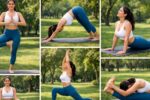
Yoga is unique because it combines strength and flexibility in a single practice. Poses such as Downward Dog, Triangle Pose, and Crescent Lunge engage muscles while also stretching them. This dual benefit makes yoga efficient and effective for overall fitness. Beginners should aim to balance strength-building poses with flexibility-enhancing stretches to create a well-rounded routine.
Breathing Techniques for Beginners
Breathing is central to yoga practice. Beginners should focus on deep, controlled breathing to enhance relaxation and improve endurance. Techniques such as diaphragmatic breathing and alternate nostril breathing can be introduced gradually. Proper breath control helps maintain focus, reduces stress, and supports physical performance during poses.
Creating a Beginner-Friendly Routine
A simple routine for beginners might include five to seven poses practiced in sequence. Start with gentle stretches such as Cat-Cow, move into strength poses like Plank and Warrior, and finish with flexibility poses such as Forward Fold and Butterfly. Holding each pose for 20 to 30 seconds and repeating the sequence two to three times creates a balanced session. Beginners should practice two to three times per week, gradually increasing frequency as comfort grows.
Common Mistakes to Avoid
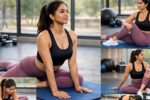
Beginners often make mistakes such as holding their breath, forcing stretches, or neglecting alignment. It is important to move mindfully and avoid pushing beyond comfort. Using props like blocks or straps can help achieve proper alignment and prevent injury. Consistency is more important than intensity, so beginners should focus on regular practice rather than perfection.
The Mental Benefits of Yoga
Beyond physical fitness, yoga offers significant mental benefits. It reduces stress, enhances focus, and promotes emotional balance. Beginners often find that yoga helps them feel calmer and more centered. Incorporating meditation or mindfulness practices alongside physical poses deepens the overall experience and supports long-term well-being.
Conclusion: Building Strength and Flexibility in 2026
Yoga for beginners in 2026 remains a powerful way to build strength, increase flexibility, and improve overall health. By starting with foundational poses, focusing on breathing, and practicing consistently, new practitioners can enjoy both physical and mental benefits. Whether practiced at home or in a studio, yoga offers a timeless path to wellness, blending tradition with modern fitness needs. For those beginning their journey, the key is patience, mindfulness, and a commitment to gradual progress.