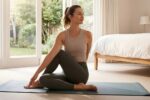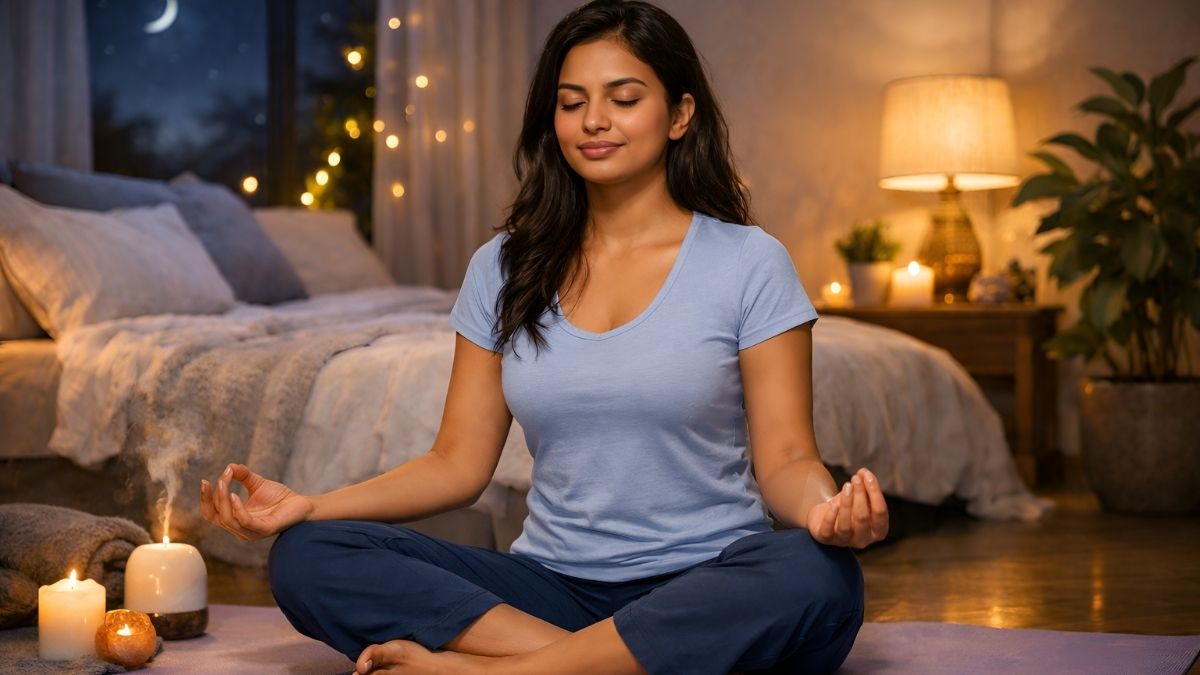
Yoga for Sleep 2026: Sleep is one of the most important aspects of overall health, yet millions of people struggle with restlessness and insomnia. In 2026, yoga has become a widely embraced natural solution for improving sleep quality. Gentle poses practiced before bedtime help calm the nervous system, release tension from the body, and prepare the mind for deep rest. Unlike vigorous exercise, bedtime yoga focuses on relaxation, breathing, and mindfulness.
Benefits of Bedtime Yoga
Practicing yoga before sleep offers several benefits:
- Reduces stress and anxiety accumulated during the day.
- Relaxes tight muscles and eases physical discomfort.
- Encourages slower breathing and activates the parasympathetic nervous system.
- Creates a nightly ritual that signals the body it is time to rest.
- Improves overall sleep quality and duration.
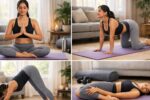
5 Yoga Poses to Relax at Night
1. Child’s Pose (Balasana)
Kneel on the floor, sit back on your heels, and fold forward with arms extended. This gentle pose calms the mind, stretches the back, and releases tension in the hips.
2. Legs Up the Wall Pose (Viparita Karani)
Lie on your back and extend your legs up against a wall. This restorative pose improves circulation, reduces swelling in the legs, and encourages relaxation.
3. Reclined Bound Angle Pose (Supta Baddha Konasana)
Lie on your back with the soles of your feet together and knees apart. Place pillows under your knees for support. This pose opens the hips and promotes deep relaxation.
4. Supine Spinal Twist (Supta Matsyendrasana)
Lie on your back, bend one knee, and gently guide it across your body while keeping shoulders grounded. This twist releases tension in the spine and aids digestion, helping the body unwind before sleep.
5. Corpse Pose (Savasana)
Lie flat on your back with arms and legs relaxed. Focus on slow breathing and allow the body to fully let go. This final pose is the ultimate relaxation posture, preparing the mind and body for sleep.
Tips for Practicing Yoga for Sleep
- Practice in a quiet, dimly lit space to encourage calmness.
- Use props like pillows or blankets for comfort.
- Focus on slow, deep breathing throughout each pose.
- Avoid stimulating postures or vigorous flows before bedtime.
- End with a short meditation or gratitude practice to quiet the mind.
Conclusion
Yoga for sleep is a gentle, effective way to relax at night naturally. In 2026, these five poses remain essential tools for anyone seeking better rest without relying on external aids. By creating a nightly yoga routine, you can ease tension, calm the mind, and prepare the body for deep, restorative sleep.