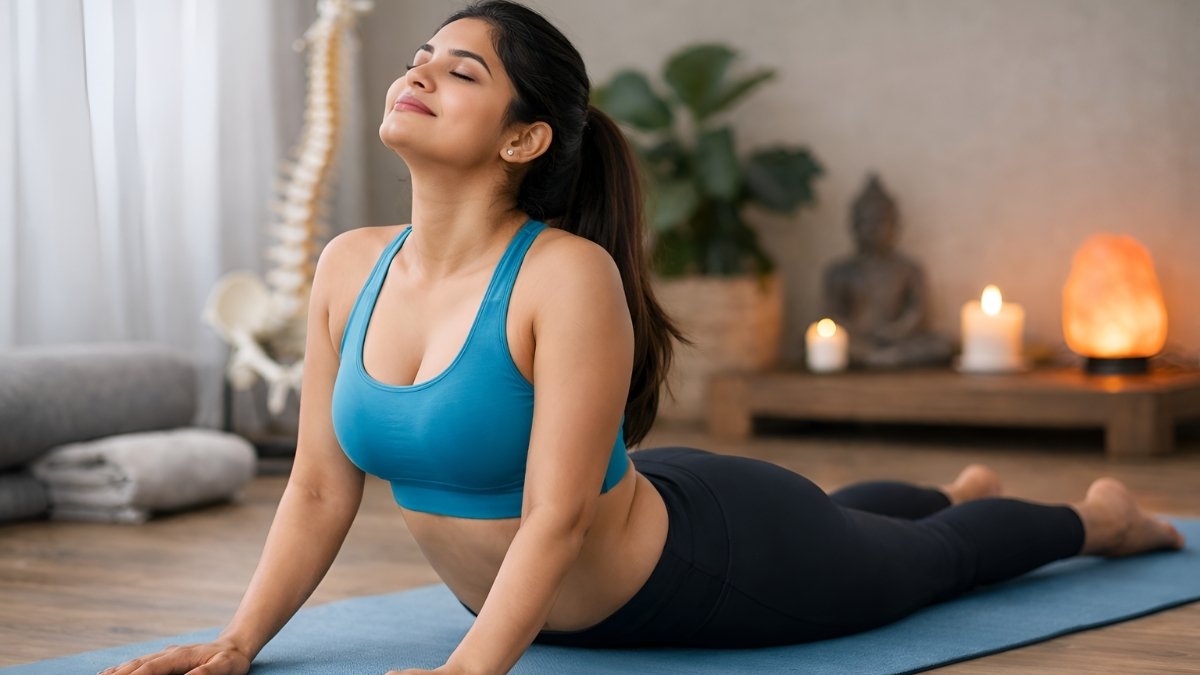
Yoga for Back Health 2026: In 2026, lower back tension remains one of the most common physical complaints worldwide. Long hours of sitting, poor posture, and stress contribute to stiffness and discomfort in the lumbar region. Maintaining back health is essential not only for mobility but also for overall well-being. Yoga offers a natural and effective way to strengthen the spine, release tension, and restore balance.
How yoga supports the lower back
Yoga combines gentle stretching, strengthening, and mindful breathing to target the muscles that support the spine. By practicing specific poses regularly, practitioners can improve posture, reduce stiffness, and prevent injuries. Yoga also encourages relaxation, which helps release stress stored in the lower back.

Preparing for practice
Before beginning, it is important to warm up with gentle movements. A few minutes of light stretching or breathing exercises can prepare the muscles for deeper poses. Practicing on a yoga mat in a quiet space ensures stability and focus. Beginners should move slowly and avoid forcing the body into positions, while advanced practitioners can deepen stretches gradually.
Balasana (Child’s Pose)
Balasana is a restorative posture that provides comfort and grounding. Kneeling on the mat, the body folds forward with arms extended or resting alongside the legs. This gentle stretch relieves tension in the lower back and promotes relaxation.

Adho Mukha Svanasana (Downward-Facing Dog)
Downward-Facing Dog stretches the hamstrings, calves, and spine. With hands and feet pressing into the mat, the hips lift upward, forming an inverted V-shape. This pose lengthens the spine and reduces stiffness in the lower back.
Bhujangasana (Cobra Pose)
Cobra Pose strengthens the spine and opens the chest. Lying on the stomach with hands under the shoulders, the chest lifts upward while the pelvis remains grounded. This posture improves spinal flexibility and relieves tension in the lumbar region.

Setu Bandhasana (Bridge Pose)
Bridge Pose strengthens the back muscles and opens the chest. Lying on the back with knees bent, the hips are lifted while arms press into the mat. This posture energizes the body and provides relief for lower back discomfort.
Marjariasana (Cat-Cow Stretch)
Cat-Cow Stretch involves alternating between arching and rounding the spine while on hands and knees. This gentle flow improves spinal flexibility, massages the lower back, and encourages relaxation.

Ardha Matsyendrasana (Half Spinal Twist)
This seated twist improves spinal mobility and stretches the lower back. By twisting gently, practitioners release tension and encourage better circulation in the lumbar region.
Shavasana (Corpse Pose)
Shavasana is the ultimate relaxation posture, performed by lying flat on the back with arms and legs comfortably extended. This pose allows the body to fully integrate the benefits of practice, reducing stress and promoting deep inner peace.

Integrating yoga into daily life
To experience lasting benefits, back-focused poses should be practiced regularly. Even 15–20 minutes a day can significantly reduce stiffness and improve mobility. Combining these asanas with mindful breathing and relaxation enhances results. Practitioners often find that improved back health also benefits posture, energy levels, and emotional well-being.
Conclusion: restoring strength and comfort
The seven poses highlighted in this guide demonstrate how yoga remains a powerful tool for relieving lower back tension naturally in 2026. By focusing on gentle movements, mindful breathing, and consistent practice, yoga provides a holistic way to restore strength and flexibility. For those seeking greater comfort and resilience, these asanas offer a reliable path to back health and overall vitality.