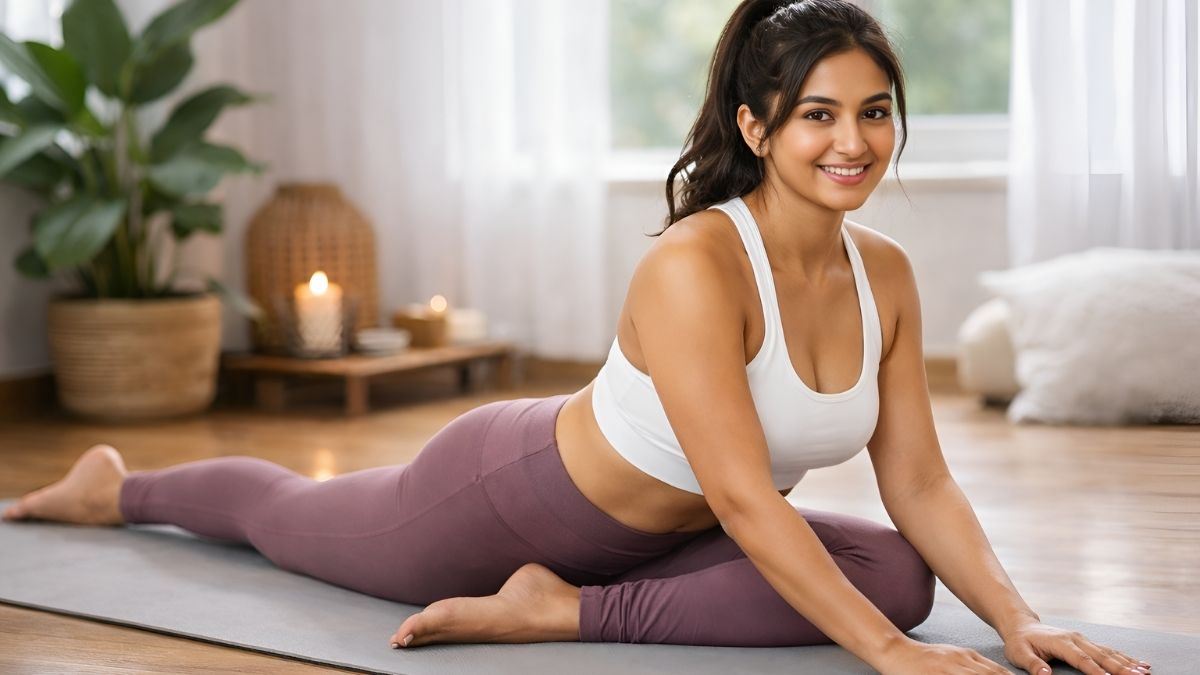
Yoga for Hip Flexibility 2026: Hip flexibility plays a vital role in overall mobility, posture, and physical comfort. In 2026, with more people spending long hours sitting at desks or engaging in repetitive movements, stiffness in the hips has become increasingly common. Tight hips can lead to lower back pain, restricted movement, and even emotional tension, as the hips are often considered a storage area for stress. Yoga offers a natural and effective way to release this stiffness, improve circulation, and restore balance.
How yoga improves hip mobility
Yoga combines stretching, strengthening, and mindful breathing to target the muscles surrounding the hips, including the hip flexors, glutes, hamstrings, and inner thighs. By practicing specific poses regularly, practitioners can gradually increase flexibility, reduce discomfort, and enhance overall body alignment. Yoga also encourages relaxation, which helps release tension stored in the hip area.

Preparing for hip-opening practice
Before beginning, it is important to warm up the body with gentle movements. A few minutes of light stretching or breathing exercises can prepare the muscles for deeper hip-opening poses. Practicing on a yoga mat in a quiet space ensures stability and focus. Beginners should move slowly and avoid forcing the body into positions, while advanced practitioners can deepen stretches gradually.
Sukhasana (Easy Pose)
Sukhasana is a simple seated posture that encourages gentle opening of the hips. Sitting cross-legged with a straight spine, practitioners focus on breathing deeply. This pose helps release tension and prepares the body for more advanced hip stretches.
Baddha Konasana (Bound Angle Pose)
Baddha Konasana involves sitting with the soles of the feet together and knees gently falling outward. This pose stretches the inner thighs and hips, improving circulation and flexibility. It is particularly effective for reducing stiffness caused by prolonged sitting.
Anjaneyasana (Low Lunge)
Anjaneyasana stretches the hip flexors and quadriceps. With one knee on the mat and the opposite leg bent forward, the hips sink gently downward. This posture relieves tightness in the front of the hips and strengthens the lower body.
Eka Pada Rajakapotasana (Pigeon Pose)
Pigeon Pose is one of the most powerful hip openers. With one leg extended backward and the other bent forward, the hips release deeply. This pose helps reduce tension stored in the hip muscles and promotes emotional release.
Malasana (Garland Pose)
Malasana is a deep squat that stretches the hips, groin, and lower back. With feet slightly apart and hands pressed together at the chest, the body lowers into a squat. This posture improves flexibility and strengthens the pelvic floor.

Utthan Pristhasana (Lizard Pose)
Lizard Pose involves stepping one foot forward into a deep lunge while lowering the forearms to the mat. This intense stretch targets the hip flexors and inner thighs, making it highly effective for reducing stiffness.
Gomukhasana (Cow Face Pose)
Gomukhasana stretches the outer hips and glutes. Sitting with knees stacked and feet pointing outward, the hips experience a deep release. This pose is particularly useful for balancing tightness between the left and right sides of the body.

Ardha Matsyendrasana (Half Spinal Twist)
This seated twist not only improves spinal flexibility but also stretches the outer hips. By twisting gently, practitioners release tension and encourage better circulation in the hip area.
Virabhadrasana II (Warrior II)
Warrior II strengthens the legs while opening the hips. With feet wide apart and arms extended, the hips rotate outward. This posture builds endurance and improves hip mobility.
Trikonasana (Triangle Pose)
Triangle Pose stretches the hips, hamstrings, and groin. With feet apart and one hand reaching toward the shin or floor, the hips open naturally. This pose enhances balance and flexibility.
Upavistha Konasana (Wide-Angle Seated Forward Bend)
Sitting with legs extended wide, the body folds forward to stretch the hips and inner thighs. This posture encourages deep release and improves flexibility in the pelvic region.
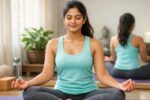
Supta Baddha Konasana (Reclining Bound Angle Pose)
Lying on the back with soles of the feet together and knees falling outward, this restorative pose gently opens the hips. It is ideal for relaxation and reducing tension after more intense stretches.
Parivrtta Anjaneyasana (Revolved Low Lunge)
This variation of the low lunge adds a twist, further stretching the hips and spine. It improves flexibility while also enhancing balance and focus.
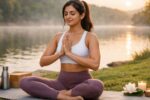
Hanumanasana (Monkey Pose)
Hanumanasana, or full splits, is an advanced posture that deeply stretches the hip flexors and hamstrings. Practitioners should approach this pose gradually, using props if necessary, to avoid strain.
Shavasana (Corpse Pose)
Although primarily a relaxation posture, Shavasana allows the hips to release tension naturally. Lying flat on the back with arms and legs extended, the body integrates the benefits of practice.
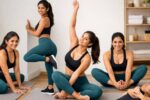
Nadi Shodhana (Alternate Nostril Breathing)
While not a physical pose, this breathing technique complements hip-opening practice by calming the mind and reducing stress. Relaxed breathing enhances the effectiveness of physical stretches.
Integrating hip-opening yoga into daily life
To experience lasting benefits, hip-opening poses should be practiced regularly. Even 15–20 minutes a day can significantly reduce stiffness and improve mobility. Combining these asanas with mindful breathing and relaxation enhances results. Practitioners often find that improved hip flexibility also benefits posture, athletic performance, and emotional well-being.

Conclusion: restoring freedom of movement
The sixteen poses highlighted in this guide demonstrate how yoga remains a powerful tool for reducing hip stiffness naturally in 2026. By focusing on gentle movements, mindful breathing, and consistent practice, yoga provides a holistic way to restore flexibility and balance. For those seeking greater comfort and mobility, these asanas offer a reliable path to freedom of movement and inner calm.