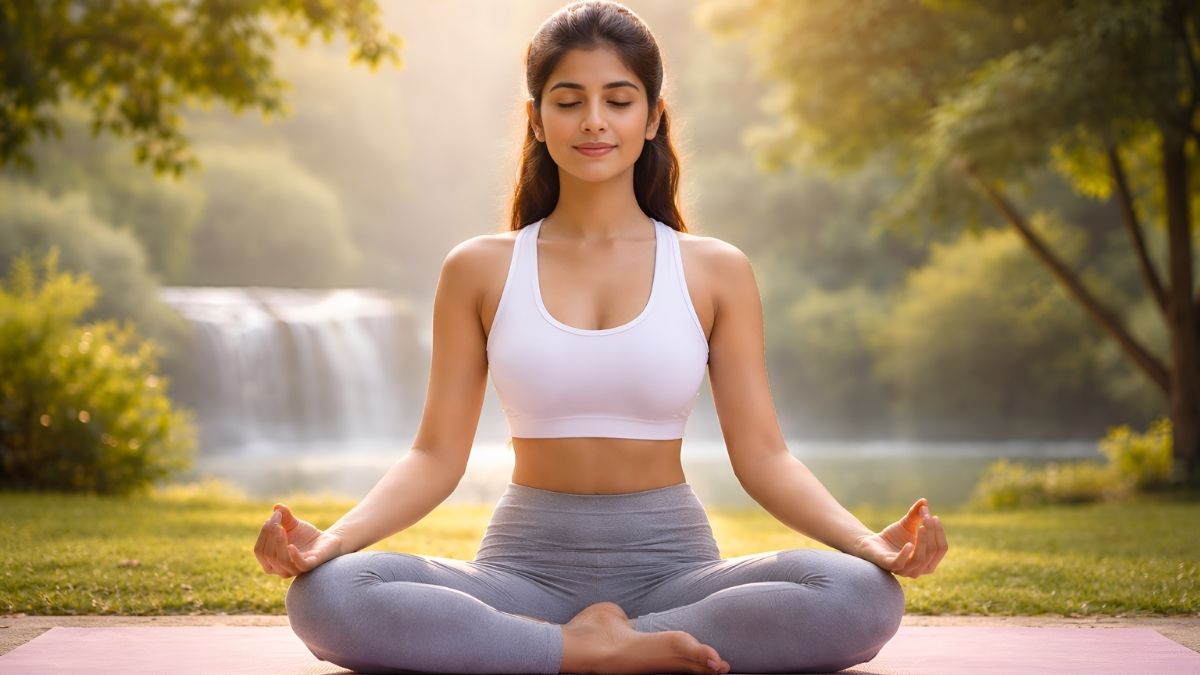
Yoga for Stress and Anxiety: Yoga has long been recognized as a holistic practice that unites the body, mind, and breath. In 2026, with rising levels of stress and anxiety due to fast-paced lifestyles, yoga continues to serve as a natural remedy for calming the nervous system. By combining physical postures, controlled breathing, and mindfulness, yoga helps reduce cortisol levels, improve focus, and restore emotional balance.
Why yoga works for stress and anxiety
Stress and anxiety often manifest physically as muscle tension, shallow breathing, and restlessness. Yoga addresses these symptoms by encouraging deep breathing, gentle stretching, and mindful awareness. Regular practice activates the parasympathetic nervous system, which promotes relaxation and reduces the fight-or-flight response. Over time, practitioners experience improved sleep, reduced irritability, and greater resilience to daily challenges.
Preparing for practice
Before beginning, it is important to create a calm environment. Choose a quiet space, wear comfortable clothing, and use a yoga mat for stability. Practicing at the same time each day helps establish routine. Beginners should focus on gentle movements and avoid pushing beyond their limits. Consistency is more important than intensity when using yoga to manage stress and anxiety.
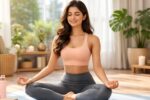
Sukhasana (Easy Pose)
Sukhasana is a simple seated posture that encourages stillness and mindful breathing. Sitting cross-legged with a straight spine, practitioners close their eyes and focus on inhaling and exhaling deeply. This pose helps quiet racing thoughts and is often used at the beginning or end of a yoga session to center the mind.
Balasana (Child’s Pose)
Balasana is a restorative posture that provides comfort and grounding. Kneeling on the mat, the body folds forward with arms extended or resting alongside the legs. This gentle stretch relieves tension in the back and shoulders while promoting feelings of safety and calm. It is particularly effective for releasing emotional stress.
Viparita Karani (Legs-Up-the-Wall Pose)
Viparita Karani involves lying on the back with legs extended upward against a wall. This inversion improves circulation, reduces fatigue, and calms the nervous system. It is often recommended for those experiencing anxiety, as it encourages relaxation and helps regulate breathing.
Setu Bandhasana (Bridge Pose)
Setu Bandhasana strengthens the spine and opens the chest, improving oxygen flow. Lying on the back with knees bent, the hips are lifted while arms press into the mat. This posture energizes the body yet also provides emotional release, making it useful for balancing stress with renewed vitality.
Paschimottanasana (Seated Forward Bend)
Paschimottanasana involves sitting with legs extended and folding forward to reach the feet. This deep stretch calms the mind, reduces irritability, and encourages introspection. It is particularly effective for those experiencing restlessness, as it promotes stillness and focus.
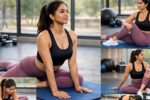
Ardha Matsyendrasana (Half Spinal Twist)
Ardha Matsyendrasana is a seated twist that massages the abdominal organs and improves spinal flexibility. By twisting gently, practitioners release physical tension while stimulating digestion and detoxification. The pose also encourages mental clarity, helping to reduce anxiety-driven confusion.
Shavasana (Corpse Pose)
Shavasana is the ultimate relaxation posture, performed by lying flat on the back with arms and legs comfortably extended. Eyes are closed, and the breath is observed without effort. This pose allows the body to fully integrate the benefits of practice, reducing stress and promoting deep inner peace.
Nadi Shodhana (Alternate Nostril Breathing)
Although not a physical asana, Nadi Shodhana is a powerful breathing technique often paired with yoga postures. By alternating inhalation and exhalation through each nostril, this practice balances energy channels, calms the mind, and reduces anxiety. It is especially effective when performed before meditation or sleep.
Integrating yoga into daily life
To experience lasting benefits, yoga should be practiced regularly. Even 15–20 minutes a day can significantly reduce stress and anxiety. Combining asanas with mindful breathing and meditation enhances results. Practitioners often find that yoga not only calms the mind but also improves overall physical health, creating a balanced lifestyle.
Conclusion: a path to inner calm
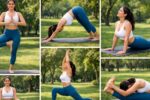
The eight asanas highlighted in this guide demonstrate how yoga remains a timeless practice for managing stress and anxiety in 2026. By focusing on gentle movements, mindful breathing, and relaxation, yoga provides a natural way to restore balance in both body and mind. For collectors of wellness practices, these postures are invaluable tools that transform daily life, offering peace, clarity, and resilience in an increasingly demanding world.