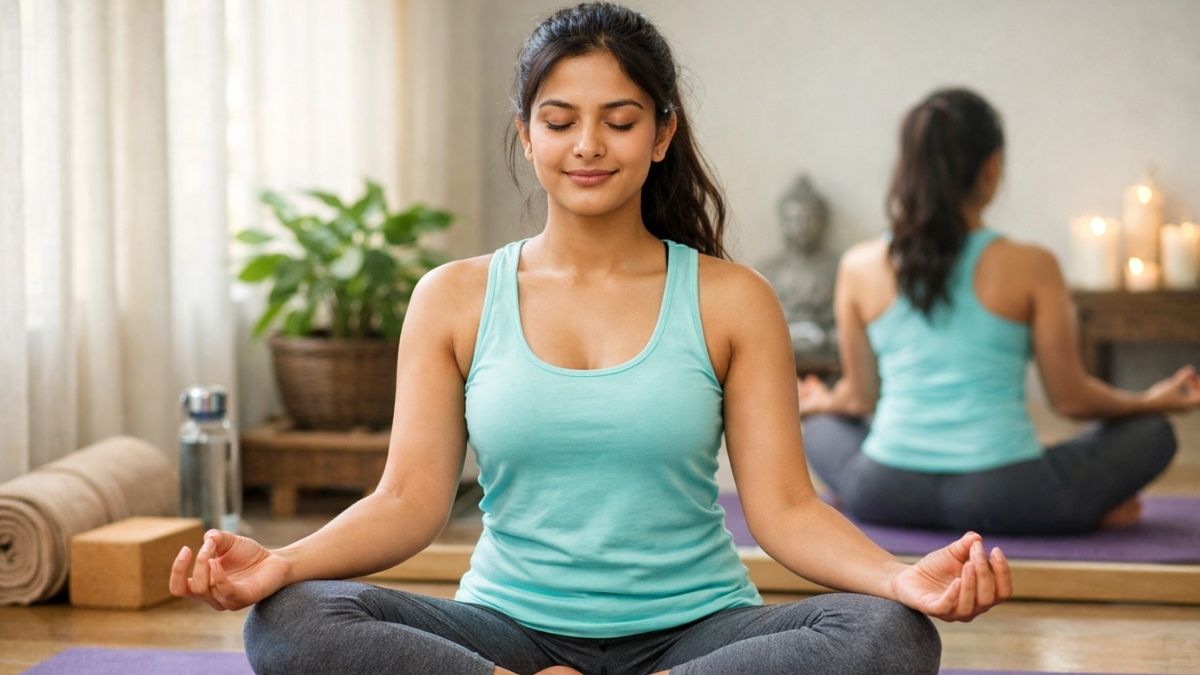
Yoga for Beginners: Yoga is more than just physical exercise; it is a holistic practice that unites body, mind, and breath. For beginners, the journey often starts with curiosity about flexibility or stress relief, but yoga quickly reveals itself as a lifestyle that promotes balance, awareness, and inner peace. Approaching yoga correctly from the very first day ensures that you build a strong foundation, avoid injuries, and cultivate habits that will serve you for years to come.
Preparing Your Mindset Before Starting
The first step in yoga is not on the mat but in your mindset. Beginners should approach yoga with patience and openness rather than expecting immediate results. Yoga is not a competition, and progress is measured in subtle improvements such as deeper breathing, calmer thoughts, or slightly better posture. By embracing yoga as a personal journey rather than a performance, you set yourself up for sustainable growth.

Creating the Right Environment
Your practice space plays a crucial role in how you experience yoga. Choose a quiet, clean area where you feel comfortable and free from distractions. A yoga mat is essential for stability and cushioning, but you don’t need expensive equipment. Natural light, fresh air, and a calm atmosphere can enhance your focus. Beginners often find that practicing at the same time each day helps establish consistency and discipline.
Learning the Importance of Breath
Breathing is the heart of yoga. From the very first day, beginners should pay attention to how they inhale and exhale. Proper breathing techniques, such as diaphragmatic breathing, help calm the nervous system and energize the body. Synchronizing breath with movement ensures that poses flow naturally and prevents strain. Remember, if your breath feels forced, the posture is too intense always let the breath guide your practice.

Starting with Foundational Poses
Beginners should begin with simple, foundational poses that build strength and flexibility gradually. Mountain Pose teaches alignment, Downward Dog stretches the spine, Child’s Pose offers rest, and Cat-Cow improves mobility. These basic postures prepare the body for more advanced movements and help you understand how your muscles and joints respond. Practicing them correctly from day one prevents bad habits and injuries.
Respecting Your Body’s Limits
One of the most important lessons in yoga is listening to your body. Beginners often push too hard, trying to mimic advanced practitioners, which can lead to discomfort or injury. Yoga encourages self-awareness, so honor your limits and progress at your own pace. Use props like blocks or straps if needed, and never feel ashamed of modifying a pose. Correct practice means safe practice, and safety ensures longevity in your yoga journey.

Building Consistency Over Intensity
For beginners, consistency matters more than intensity. Practicing yoga for 15–20 minutes daily is more beneficial than doing a long session once a week. Small, regular efforts allow your body to adapt and your mind to stay engaged. Over time, consistency builds discipline, and discipline transforms yoga from a routine into a lifestyle. The key is to show up on the mat, even if only for a few minutes.
Combining Physical and Mental Benefits
Yoga is unique because it strengthens the body while calming the mind. Beginners often notice reduced stress, better sleep, and improved focus after just a few weeks. Physically, yoga enhances flexibility, balance, and posture. Mentally, it cultivates mindfulness and emotional resilience. By practicing correctly from the start, you maximize these benefits and create harmony between your physical and mental well-being.

Avoiding Common Mistakes
Many beginners make avoidable mistakes, such as holding their breath, forcing stretches, or skipping warm-ups. Another common error is comparing oneself to others, which undermines the personal nature of yoga. Correct practice means focusing inward, respecting your pace, and maintaining proper alignment. Avoid rushing through poses; instead, move mindfully and with awareness. These small corrections make a big difference in your progress.
Seeking Guidance When Needed
While yoga can be self-taught through videos or books, beginners benefit greatly from guidance. A qualified instructor can correct posture, teach breathing techniques, and provide personalized adjustments. If attending classes is not possible, consider online sessions or beginner-friendly tutorials. Guidance ensures that you learn the correct techniques from day one, preventing mistakes that could hinder your growth.

Integrating Yoga into Daily Life
Yoga does not end when you roll up your mat. Beginners should try to carry its principles into daily life. Practicing mindful breathing during stressful moments, maintaining good posture while sitting, or taking short breaks to stretch are ways to integrate yoga beyond the mat. This holistic approach transforms yoga into a lifestyle that supports health, happiness, and balance throughout the day.
Progressing Gradually with Confidence
As you grow more comfortable with foundational poses, you can gradually explore new postures and sequences. Progress should be steady and mindful, not rushed. Confidence comes from practice, and mastery comes from patience. By respecting the principles of yoga from the very first day, beginners build a strong foundation that allows them to advance safely and meaningfully.

Conclusion: Begin Right, Grow Strong
Yoga for beginners is a journey of self-discovery, patience, and discipline. Doing it correctly from day one means focusing on breath, alignment, consistency, and self-awareness. It is not about achieving perfection but about cultivating balance and harmony. When approached with respect and mindfulness, yoga becomes more than exercise it becomes a lifelong practice that nurtures both body and soul.