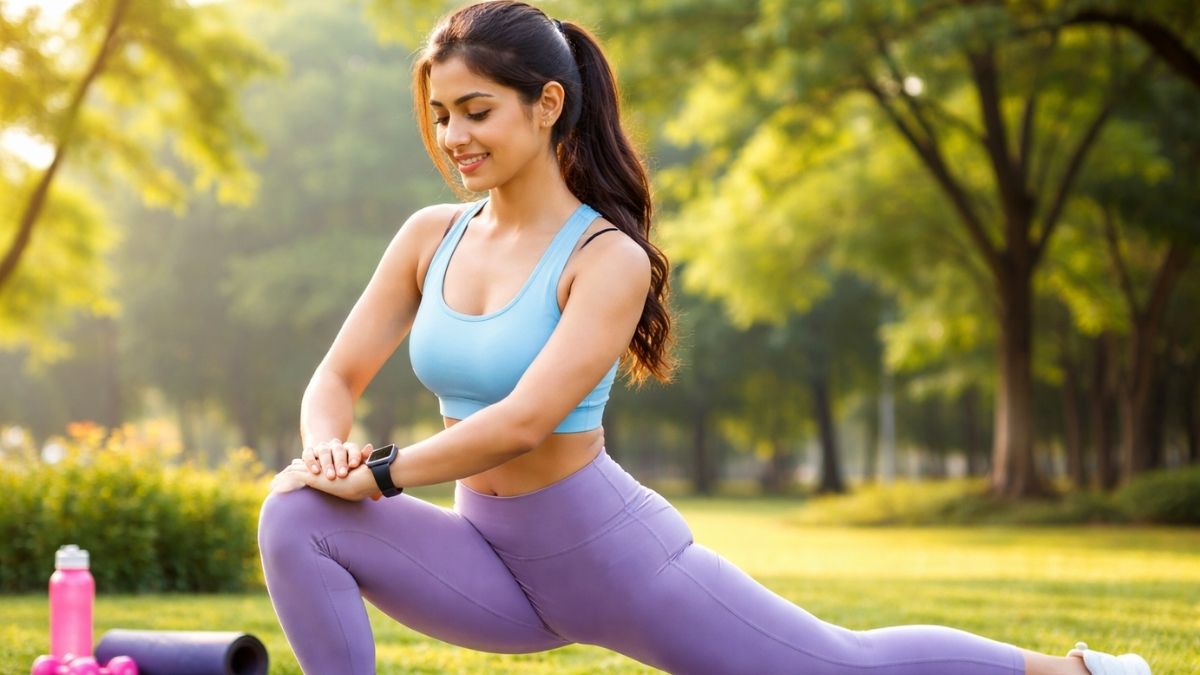
Relieve Hip Stiffness Naturally: Hip stiffness is a common issue that affects people of all ages, often caused by prolonged sitting, lack of movement, or muscular imbalances. When the hips become tight, they can restrict mobility, create discomfort, and even contribute to lower back pain. Addressing hip stiffness naturally through yoga is one of the most effective ways to restore flexibility, improve circulation, and support overall joint health. Yoga not only stretches the muscles but also strengthens them, ensuring long-term relief and stability.
The Benefits of Yoga for Hip Mobility
Yoga works holistically on the body, combining breath with movement to release tension and improve flexibility. For the hips, yoga poses target the hip flexors, glutes, hamstrings, and inner thighs. Regular practice can reduce stiffness, enhance posture, and prevent injuries. Beyond physical benefits, yoga also calms the nervous system, helping to reduce stress that often manifests as tightness in the body. By practicing consistently, you can experience greater ease in everyday movements such as walking, bending, or sitting.

Pose 1: Pigeon Pose
Pigeon Pose is one of the most effective yoga postures for opening the hips. It stretches the hip flexors and glutes deeply, releasing built-up tension. To practice, begin in a plank position, bring one knee forward, and place it behind your hands while extending the opposite leg straight back. Lower your torso gently over the bent leg and breathe deeply. This pose not only relieves stiffness but also encourages emotional release, as the hips are often considered a storage area for stress. Holding the pose for several breaths allows the muscles to soften gradually.
Pose 2: Butterfly Pose
Butterfly Pose, also known as Baddha Konasana, is excellent for loosening the inner thighs and groin area. Sit on the floor with your feet together and knees bent outward, then gently press your knees toward the ground. Keep your spine tall and avoid forcing the stretch. This pose improves circulation in the pelvic region and enhances flexibility in the hips. It is particularly beneficial for those who spend long hours sitting, as it counteracts the compression that builds up in the hip joints.
Pose 3: Low Lunge
Low Lunge, or Anjaneyasana, targets the hip flexors and quadriceps. Begin by stepping one foot forward into a lunge position, lowering the opposite knee to the ground. Keep your chest lifted and shoulders relaxed while pressing your hips forward. This pose lengthens the muscles at the front of the hips, which often become tight from sitting or running. Practicing Low Lunge regularly helps restore balance between the front and back of the body, improving overall mobility and reducing stiffness.
Pose 4: Happy Baby Pose
Happy Baby Pose is a gentle yet powerful posture for releasing tension in the hips and lower back. Lie on your back, bend your knees, and bring them toward your chest. Hold the outer edges of your feet with your hands, keeping your ankles above your knees. Gently rock side to side to massage the spine and open the hips. This pose is playful and calming, encouraging relaxation while stretching the inner thighs and groin. It is especially useful before bedtime to ease stiffness accumulated throughout the day.
Pose 5: Garland Pose
Garland Pose, or Malasana, is a deep squat that stretches the hips, ankles, and lower back. Begin by standing with your feet slightly wider than hip-width apart, then bend your knees and lower into a squat. Keep your spine tall and bring your palms together at your chest. This pose strengthens the legs while opening the hips, making it ideal for improving mobility and balance. Practicing Garland Pose regularly can counteract stiffness caused by sedentary lifestyles and enhance functional movement.
Tips for Practicing Safely
When practicing yoga for hip stiffness, it is important to listen to your body and avoid forcing any stretch. Use props such as yoga blocks or cushions to support your posture if needed. Focus on breathing deeply, as the breath helps release tension and encourages relaxation. Consistency is key—practicing these poses a few times a week can bring noticeable improvements. Always warm up gently before moving into deeper stretches to prevent strain.
Creating a Routine for Hip Health
To maximize the benefits, combine these five poses into a short daily routine. Begin with Butterfly Pose to gently open the hips, then move into Low Lunge to stretch the hip flexors. Follow with Pigeon Pose for a deeper release, transition into Happy Baby Pose to relax the lower back, and finish with Garland Pose to strengthen and open the hips. This sequence takes only 15 to 20 minutes but can significantly reduce stiffness when practiced regularly.
The Mind-Body Connection
Yoga emphasizes the connection between the body and mind. Hip stiffness is not only physical but can also be linked to emotional tension. By practicing these poses with mindfulness, you create space for both physical and emotional release. The hips are often referred to as the body’s emotional storage center, and opening them can bring a sense of lightness and freedom. Incorporating meditation or breathwork alongside these poses enhances the overall benefits.
Long-Term Benefits of Hip Flexibility
Improving hip flexibility through yoga has lasting effects beyond relieving stiffness. It supports better posture, reduces the risk of injuries, and enhances athletic performance. Flexible hips also contribute to smoother movement in daily activities, making tasks such as climbing stairs or bending down easier. Over time, consistent practice can transform not only your physical health but also your mental well-being, fostering resilience and balance.
Conclusion
Relieving hip stiffness naturally is possible with consistent yoga practice. These five essential poses Pigeon Pose, Butterfly Pose, Low Lunge, Happy Baby Pose, and Garland Pose offer a comprehensive approach to opening the hips, reducing tension, and restoring mobility. By practicing mindfully and regularly, you can experience greater comfort, improved flexibility, and a deeper sense of well-being. Yoga is not just about stretching the body; it is about creating harmony between movement, breath, and awareness, leading to lasting relief and vitality.